
A practical muscle-building diet for beginners should provide enough total food, adequate protein, carbohydrate-rich foods to support training, healthy fats, fruits and vegetables, and sufficient fluids. For generally healthy adults who resistance train, roughly 1.4–2.0 grams of protein per kilogram of body weight per day is a useful general range, while total calorie needs should be adjusted to body size, activity level, and training demands.
You do not need a “perfect” bodybuilding menu, six meals per day, or a cabinet full of supplements to build muscle. A solid beginner approach combines progressive resistance training with enough energy, sufficient protein, useful carbohydrate sources, and a varied selection of nutrient-dense foods.
The 7-day meal plan below uses ordinary foods and adjustable portions rather than a fixed calorie prescription, because energy needs can vary widely from one person to another. You can scale portions based on your appetite, body size, training volume, and progress over time.
This plan is intended for generally healthy adults. Adolescents, pregnant people, and anyone with kidney disease, diabetes, digestive disease, food allergies, a history of disordered eating, or another medical condition should get individualized guidance from a physician or registered dietitian.
What Should a Beginner Eat to Build Muscle?
Beginners should eat regular, balanced meals that include protein, carbohydrates, colorful produce, and dietary fat. Foods such as eggs, chicken, fish, Greek yogurt, tofu, beans, rice, oats, potatoes, fruit, vegetables, nuts, seeds, and olive oil make a practical foundation.
The current Dietary Guidelines for Americans, 2025–2030, emphasize whole, nutrient-dense foods, including animal and plant protein foods, dairy, vegetables, fruits, healthy fats, and whole grains. That general pattern works well as the base of a muscle-growth eating plan, with portions adjusted for training demands and individual needs. (Dietary Guidelines for Americans, 2025–2030)
Muscle hypertrophy, the increase in muscle fiber size, occurs when resistance training and recovery repeatedly stimulate the body to build more muscle protein than it breaks down over time. Diet supports that process, but diet alone cannot replace strength training or progressive overload.
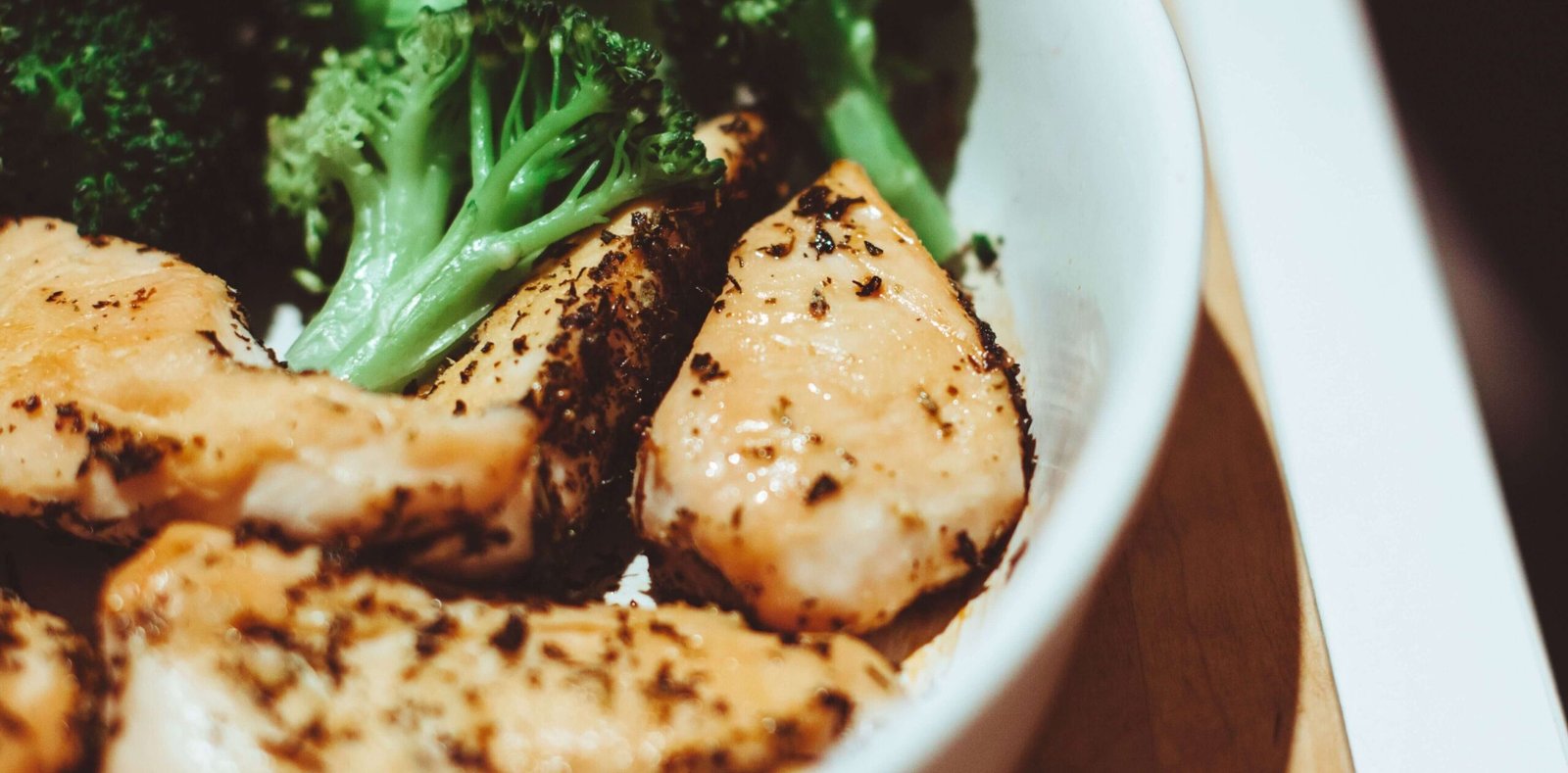
A beginner meal does not need to look like plain chicken and broccoli. Chili with lean beef or beans, a tofu stir-fry with rice, salmon tacos with slaw, or Greek yogurt with oats and fruit can all fit. Flavor, cultural preference, budget, and convenience matter because dietary adherence is more valuable than a menu that looks impressive but lasts one week.
The four jobs your diet must do
A useful nutrition plan for muscle growth should:
- Supply enough energy to train and recover.
- Provide essential amino acids from protein.
- Supply carbohydrates for demanding workouts and glycogen replacement.
- Provide fats, fiber, vitamins, minerals, and fluids for general health.
No single food performs all four jobs. Variety is the simplest way to cover them.
Do You Need a Calorie Surplus to Build Muscle?
A calorie surplus can make muscle gain easier, but the exact surplus that maximizes muscle growth while limiting fat gain is not known. Beginners may also gain muscle while eating near maintenance, especially when they are new to resistance training and consistently consume enough protein.
A review specifically examining energy surplus and hypertrophy concluded that the precise surplus needed to maximize skeletal muscle growth remains uncertain. More food does not create unlimited muscle growth; aggressive “dirty bulking” can add body fat without producing a proportional increase in muscle. (Slater et al., 2019)
A practical approach without a rigid calorie target
Start with three balanced meals and one or two useful snacks on most days. Keep that pattern steady while following a progressive strength program.
Review these signs every few weeks:
- Are your repetitions, resistance, or exercise control improving?
- Do you recover reasonably well between sessions?
- Do you have enough energy to train?
- Are you frequently hungry or regularly skipping meals?
- Is the plan comfortable to digest and realistic to maintain?
If performance and recovery are improving, keep the plan stable. If you are consistently training well but remain unusually hungry, recover poorly, or make no progress, add one repeatable food serving each day. Examples include an extra bowl of oatmeal, rice, or potatoes with dinner; Greek yogurt and fruit; a peanut butter sandwich; or a smoothie made with milk or fortified soy milk.
This gradual method is more useful than copying someone else’s fixed bulking meal plan. A registered dietitian can estimate energy needs more precisely when a medical condition, sport, or specific body composition goal makes that necessary.
Can beginners build muscle without bulking?
Yes. “Bulking” is not mandatory. New lifters can sometimes gain muscle near energy balance, particularly when their training, protein intake, sleep, and previous diet have room to improve. However, chronically undereating can reduce training quality and make lean mass gains harder.
The goal is adequate nutrition, not forced eating. A healthy muscle gain plan should not cause persistent nausea, digestive distress, anxiety around food, or rapid unwanted changes. Those are reasons to pause and seek qualified guidance.
How Much Protein Do Beginners Need?
For healthy adults who exercise, about 1.4–2.0 g of protein per kilogram of body weight per day is a commonly cited sports nutrition range. A major meta-analysis found that additional lean mass gains during resistance training tended to level off around 1.6 g/kg/day for many participants, although individual responses vary. (NIH Office of Dietary Supplements; Morton et al., 2018)
A later systematic review found that increasing protein intake produced small additional improvements in lean body mass and lower body strength during resistance training. The effect was not unlimited, and training remained essential. (Nunes et al., 2022)
These figures are general research ranges for adults, not a personal prescription. More is not automatically better. People with kidney disease or another condition affected by protein intake should ask their clinician or registered dietitian for an appropriate target.
How much protein should you eat at each meal?
You do not need to consume your entire daily protein target at once. Spreading protein across three or four meals often makes the target easier to reach and gives each meal a useful source of essential amino acids.
Research on whether perfectly even distribution independently improves long-term muscle gain is still mixed. Total daily protein and consistent training remain the priorities. (Hudson et al., 2020)
A simple meal-building rule is to include one clear protein anchor at breakfast, lunch, dinner, and, if useful, a snack. Depending on the food, that might be eggs, Greek yogurt, cottage cheese, poultry, fish, lean meat, tofu, tempeh, edamame, lentils, beans, or fortified soy milk.
Protein quality, essential amino acids, and leucine
Protein is made from amino acids. Nine are essential, meaning the body must obtain them from food. Leucine is one of the essential amino acids involved in signaling muscle protein synthesis. Still, beginners do not need to buy standalone leucine or branched chain amino acid supplements when their diet already provides enough varied protein.
Animal proteins such as eggs, milk, yogurt, fish, and poultry contain all essential amino acids in useful proportions. Soy is a high quality complete plant protein. Other plant foods may contain lower amounts of one or more essential amino acids, but a varied diet with legumes, grains, nuts, seeds, soy foods, and enough total protein can still support muscle growth. NIH guidance notes that eating different plant-based protein foods is a practical way to obtain essential amino acids. (NIH Office of Dietary Supplements)
Recent evidence suggests bothanimal-basedd and plant-based proteins can support strength and hypertrophy when total protein is adequate, and resistance training is present. Protein quality, digestibility, food variety, and the total diet still matter. (ReidMcCann et al., 2025)
High protein foods for beginners
| Food group | Practical choices | Easy uses |
| Poultry and lean meat | Chicken, turkey, lean ground beef | Tacos, rice bowls, pasta, sandwiches |
| Fish and seafood | Salmon, tuna, shrimp, trout | Sheetpan meals, wraps, rice bowls |
| Eggs and dairy | Eggs, Greek yogurt, cottage cheese, milk | Breakfast, snacks, smoothies |
| Soy foods | Tofu, tempeh, edamame, fortified soy milk | Stirfries, bowls, scrambles |
| Legumes | Lentils, chickpeas, black beans, kidney beans | Chili, curry, soup, burrito bowls |
| Nuts and seeds | Peanuts, almonds, pumpkin seeds, peanut butter | Oatmeal, snacks, sandwiches |
| Convenient options | Canned tuna or salmon, rotisserie chicken, frozen edamame | Fast lunches and emergency meals |
Nuts and nut butter contain protein, but they are usually better treated as mixed protein and fat foods rather than the only protein source in a main meal.
Carbohydrates and Fats in a Muscle Building Diet
Protein receives most of the attention, but carbohydrates and dietary fats also help make a muscle-building diet sustainable. Carbohydrates support training and replenish glycogen, while fat contributes energy, flavor, and essential fatty acids.
Do you need carbohydrates to build muscle?
Carbohydrates are not muscle tissue, but they are useful fuel for resistance training. The body can store carbohydrate as glycogen in the liver and muscles, then use it during exercise. (MedlinePlus)
Useful carbohydrate foods include:
- Rice, oats, pasta, and wholegrain bread
- Potatoes and sweet potatoes
- Beans, peas, and lentils
- Bananas, berries, apples, oranges, and other fruit
- Corn, quinoa, and other whole grains
- Milk and yogurt
Choose foods based on digestion and timing. Oats, beans, vegetables, and whole grains help supply fiber and micronutrients. Closer to training, some people prefer lower-fiber options such as rice, bread, cereal, or a banana because they digest more comfortably.
Carbohydrates are not inherently fattening. Overall energy intake, food pattern, activity, and individual response matter more than labeling one macronutrient as “good” or “bad.”
Healthy fats for a muscle growth eating plan
Dietary fat helps make meals satisfying and can help people meet energy needs without very large food volumes. Useful sources include olive oil, avocado, nuts, seeds, eggs, peanut butter, and fatty fish such as salmon.
Avoid making the diet extremely low in fat. At the same time, adding large amounts of oil or nut butter to every meal can crowd out protein, fruits, vegetables, and whole grains. A balanced meal uses fat as one component, not the entire strategy.
Claims that one food or “testosterone boosting” ingredient directly produces meaningful muscle growth are usually oversimplified. Training, total nutrition, sleep, and time matter far more.
Meal Timing Before and After Training
Eat a balanced meal within a few hours before training when possible, then include protein and carbohydrates in a meal before or after the session. Beginners do not need to rush to consume a shake within minutes of the final set.
A meta-analysis on protein timing found that apparent benefits were largely explained by higher total protein intake rather than a narrow post workout window. (Schoenfeld et al., 2013)
What to eat before lifting
A preworkout meal should provide useful energy without causing stomach discomfort. A meal two to three hours before training might include:
- Chicken, rice, and vegetables
- Greek yogurt, oats, and berries
- Turkey on wholegrain bread with fruit
- Tofu, noodles, and vegetables
- Eggs, toast, and a banana
If you need a smaller snack closer to training, try fruit with yogurt, toast with peanut butter, cereal with milk, or a banana and a small protein food. Large servings of fat or fiber immediately before exercise may feel uncomfortable for some people.
What to eat after a workout
A normal mixed meal containing protein and carbohydrate works well after training. Options include a turkey rice bowl, salmon with potatoes, lentil pasta with tofu, eggs with toast and fruit, or Greek yogurt with oats.
If a full meal is not available for several hours, a portable snack can bridge the gap:
- Milk or fortified soy milk with fruit
- Greek yogurt and granola
- A tuna or hummus sandwich
- Cottage cheese and fruit
- A protein shake and a banana
The shake is convenient, not physiologically mandatory.
How many meals should you eat?
Choose the meal frequency that helps you eat well and train consistently. Three meals and one snack can work as well as four or five meals if the daily diet provides enough food and protein.