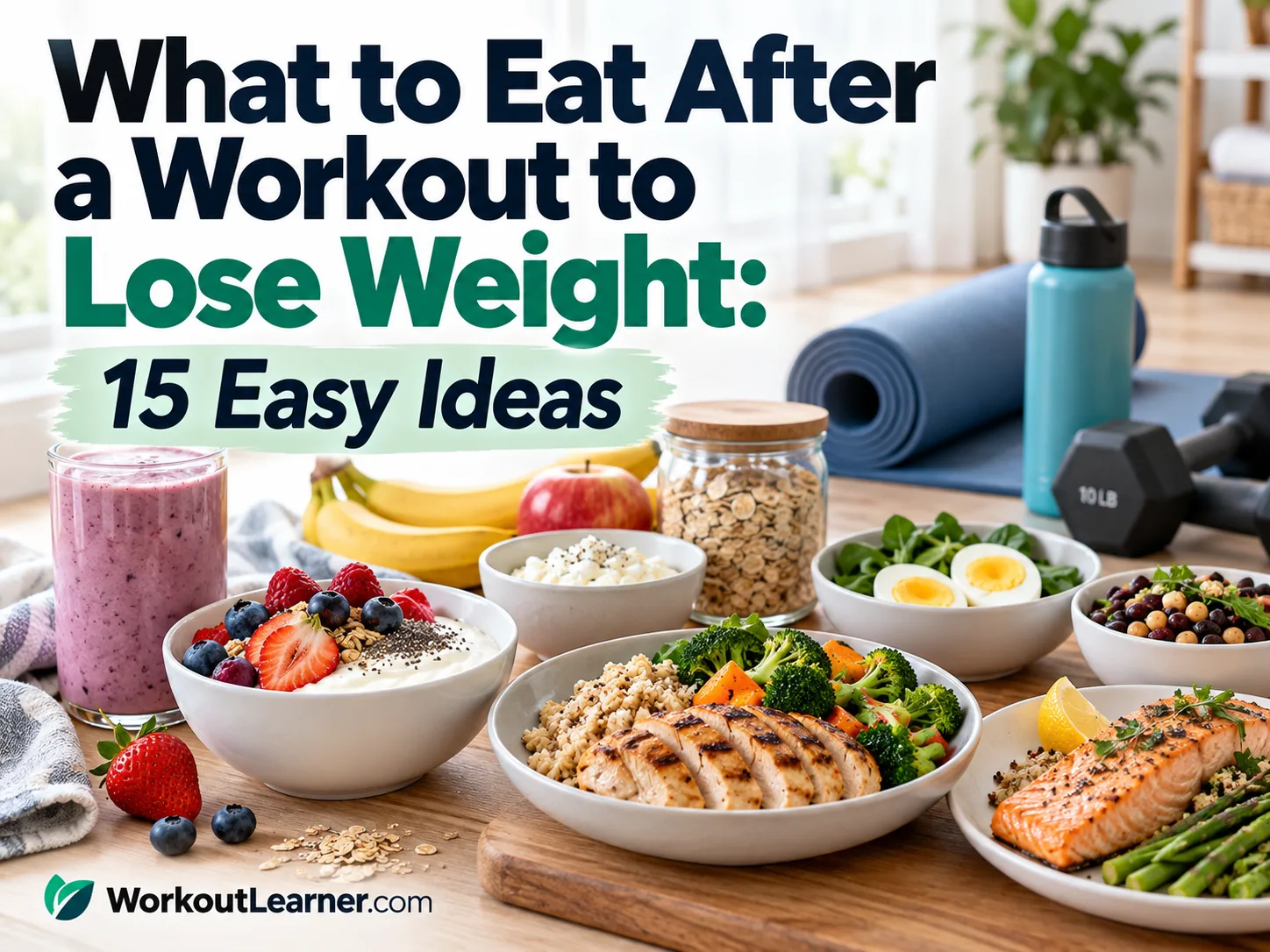
If you are wondering what to eat after a workout to lose weight, choose a meal or snack that combines lean protein with fruit, vegetables, whole grains, or another fiber-rich carbohydrate. Drink water, match the amount of food to your hunger and workout demands, and fit the meal into your normal eating pattern.
No individual postworkout food burns body fat. Gradual weight loss depends mainly on your overall energy balance across days and weeks, while protein, carbohydrates, fiber, and fluids help you recover and stay satisfied. The Centers for Disease Control and Prevention (CDC) explains that physical activity and an eating pattern that uses less energy than the body expends work together to support weight loss.
The Best PostWorkout Meal Formula for Weight Loss
The most useful postworkout meal for fat loss is a balanced meal you enjoy, can prepare consistently, and can fit into the rest of your day. A simple formula is one protein source + one fiber-rich carbohydrate or fruit + vegetables when the meal allows.
For a full meal, use this visual guide:
- Fill about half the plate with vegetables or a mixture of vegetables and fruit.
- Use about one-quarter of the plate for a lean animal or plant protein.
- Use about one-quarter of the plate for whole grains, potatoes, beans, or another carbohydrate.
- Add a modest amount of healthy fat through foods such as olive oil, nuts, seeds, avocado, or oily fish.
This is a flexible plate-building method, not a strict prescription. A long run or demanding lifting session may call for more carbohydrate than a short walk. Your usual meal schedule, hunger, body size, medical needs, and the food you ate before exercise also matter.
The National Institute of Diabetes and Digestive and Kidney Diseases recommends an eating pattern built around vegetables, fruit, whole grains, lean protein, and appropriate portions rather than a single weight-loss food” (NIDDK).
A SimplRecovery Snack Formula
If a full meal is still several hours away and you are hungry, pair a protein source with fruit or a wholegrain food. Examples include Greek yogurt with berries, cottage cheese with an apple, eggs with wholegrain toast, or edamame with fruit.
If dinner is starting in 30 to 60 minutes, you may not need a separate healthy postworkout snack. Drinking water and eating your planned meal can prevent an unnecessary extra round of food.
Best Foods to Eat After a Workout for Weight Management
The best foods to eat after a workout for weight loss provide recovery nutrients without making the meal unnecessarily large. Lean protein, produce, legumes, and minimally processed carbohydrates are practical foundations.
1. Greek Yogurt
Greek yogurt supplies complete protein and can become a filling recovery snack when paired with berries, banana, or oats. Choose a type that suits your preferences and dietary needs; compare labels if added sugar is a concern.
2. Eggs
Eggs provide protein and work in breakfast, lunch, or dinner. Combine eggs with spinach, tomatoes, bell peppers, fruit, or whole-grain toast rather than relying on eggs alone for a complete meal.
3. Chicken or Turkey
Lean poultry is an easy base for a high-protein post-workout meal. Add vegetables and rice, potatoes, beans, quinoa, or a whole-grain wrap, depending on your hunger and training demands.
4. Fish
Tuna and white fish provide lean protein, while salmon and sardines also supply omega-3 fats. Pair fish with vegetables and a moderate serving of potatoes, rice, quinoa, or whole-grain bread.
5. Cottage Cheese
Cottage cheese is convenient after an evening workout because it needs no cooking. It works with fruit, wholegrain toast, or sliced vegetables, depending on whether you want a sweet or savory snack.
6. Tofu and Tempeh
Tofu and tempeh are useful whole-food protein sources for vegetarian and vegan recovery meals. Add them to stir-fry, a grain bowl, or a wrap with plenty of vegetables.
7. Beans and Lentils
Legumes provide plant protein, carbohydrates, and dietary fiber in the same food. Lentil soup, bean chili, chickpea salad, and bean and rice bowls are affordable post-workout meals that can be prepared in batches.
8. Edamame
Edamame is a convenient plant protein after training. Eat it as a snack or add it to a bowl with quinoa, rice, and mixed vegetables.
9. Fruit
Fruit after a workout provides carbohydrates, water, fiber, and micronutrients. Bananas are convenient, but berries, apples, oranges, peaches, and other fruits work just as well. Pair fruit with protein when it needs to hold you until the next meal.
10. Oats and Whole Grains
Oats, brown rice, quinoa, and whole-grain bread can replenish some of the carbohydrates used during exercise. Whole grains are not inherently fattening; overall dietary patterns and portion sizes are more important. NIDDK specifically notes that grains can be part of a healthy weight-management plan.
11. Potatoes
White and sweet potatoes provide carbohydrates and potassium. Baking, boiling, or air-frying them with limited added fat generally makes them easier to fit into a balanced recovery meal.
12. Vegetables
Leafy greens, broccoli, peppers, carrots, tomatoes, and mixed frozen vegetables add fiber, water, and volume. The CDC recommends using fruit and vegetables to replace some more energy-dense ingredients rather than merely adding them to an unchanged meal (CDC).
15 Easy Post-Workout Meals and Snacks
These combinations are starting points, not rigid meal prescriptions. Adjust the meal to your appetite, dietary preferences, training session, and the rest of your day.
| Meal or snack | What it provides | Useful after |
|---|---|---|
| Greek yogurt, berries, and oats | Dairy protein, fruit, fiber-rich carbohydrate | Morning strength or cardio |
| Vegetable omelet with whole-grain toast | Protein, vegetables, carbohydrates | Postworkout breakfast |
| Chicken, rice, and mixed vegetable bowl | Lean protein, carbohydrate, fiber | Strength training |
| Tuna with a baked potato and salad | Lean protein, carbohydrates, vegetables | Lunch or dinner |
| Salmon, roasted vegetables, and quinoa | Protein, healthy fat, carbohydrate | A demanding workout |
| Turkey and vegetable whole grain wrap | Portable protein, carbohydrate, produce | On-the-go lunch |
| Cottage cheese with apple and cinnamon | Protein, fruit, fiber | Quick snack or late workout |
| Tofu stir-fry with vegetables and rice | Plant protein and carbohydrates | Vegan dinner |
| Lentil soup with whole-grain bread | Plant protein, fiber, and carbohydrate | Affordable meal prep |
| Chickpea and vegetable bowl | Plant protein, fiber, produce | Vegetarian lunch |
| Edamame, quinoa, and vegetable bowl | Soy protein, whole grain, vegetables | Plant-based recovery |
| Milk or fortified soy milk with banana | Protein, carbohydrate, fluid | When appetite is low |
| Two eggs, fruit, and toast | Protein, carbohydrate, fiber | Simple home breakfast |
| Bean and turkey chili | Mixed protein, fiber, vegetables | Batch-cooked dinner |
| Balanced smoothie with milk, yogurt, fruit, and oats | Convenient protein and carbohydrate | Busy days |
Quick, Affordable Options
Affordable weight loss meals do not require specialty “fitness” products. Canned tuna, eggs, beans, lentils, oats, frozen vegetables, potatoes, store-brand Greek yogurt, and tofu can cover most recovery needs.
For meal prep, cook one protein, one carbohydrate, and a tray or bag of vegetables. Mix them into bowls, wraps, omelets, or soups during the week. This makes portion adjustment easier without requiring a new recipe after every workout.
Vegetarian and Vegan Options
A vegetarian post-workout meal can use eggs, Greek yogurt, cottage cheese, beans, lentils, tofu, tempeh, or edamame. For a vegan meal, pair soy foods or legumes with grains and vegetables. Fortified soy milk is usually a more protein-rich smoothie base than many almond, rice, oat, or coconut beverages, although product labels vary.
What to Eat After Different Types of Exercise
Postexercise nutrition should reflect the workout’s duration and intensity. A gentle walk and a hard 90-minute training session do not create the same recovery demands.

What to Eat After Cardio to Lose Weight
After ordinary cardio, eat according to the session and your normal meal timing. A 25-minute bike ride may need no special recovery food, while a long run may justify a full meal with protein and carbohydrates.
You do not need to avoid carbohydrates after cardio. Carbohydrates help restore muscle glycogen and fuel later activity. Choose an amount that reflects the workout rather than treating every cardio session as permission for an oversized meal.
What to Eat After Strength Training for Weight Loss
After strength training, prioritize protein and include carbohydrates based on the session. A chicken and rice bowl, Greek yogurt with fruit and oats, eggs with toast, or a tofu and vegetable stir-fry can support recovery while fitting into a sustainable fat-loss diet.
Resistance training is especially valuable during weight reduction because it helps protect fat-free mass and improves strength. A 2025 systematic review found that adding resistance exercise to diet-induced weight loss preserved more fat-free mass than diet alone, even though it did not produce a meaningful additional change in total body weight (BMJ Open Sport & Exercise Medicine).
What to Eat After Walking
After a normal walk, you usually do not need a dedicated recovery meal. Drink water and continue with your regular eating schedule. If you walked for a long time or the walk replaced a more demanding workout, use the same protein-plus-produce snack formula.
How Much Protein Do You Need After Exercise?
Most people benefit from including a meaningful serving of protein in the next meal, but more is not automatically better. Total protein intake across the whole day matters more than hitting an exact post-workout minute.
Sports nutrition research often studies roughly 20 to 40 grams of high-quality protein per meal in adults, with needs influenced by body size, age, activity, and total daily intake (International Society of Sports Nutrition). This is a research-based adult range, not a requirement that everyone must meet.
Practical wholefood examples include:
- Greek yogurt or cottage cheese
- Eggs plus an additional protein food if needed
- Chicken, turkey, tuna, salmon, or other fish
- Tofu, tempeh, or edamame
- Beans or lentils, often paired with grains
- Milk or fortified soy milk
A normal meal can provide enough protein for muscle recovery. Protein powder can be convenient, but it is not required.
Should You Eat Carbohydrates After a Workout?
Yes, carbohydrates can be part of a weight-loss meal after exercise. They support glycogen replenishment, supply nutrients, and can make a recovery meal more satisfying.
The amount depends on the workout. A short, light session may require only fruit or the carbohydrate already present in your next meal. Longer cardio, hard intervals, or higher-volume strength training may justify more oats, rice, potatoes, beans, bread, or fruit.
Choose carbohydrates for their usefulness and overall food quality, not because they have been labeled “good” or “bad.” Whole grains, legumes, fruit, and potatoes can all fit. People training again soon have a stronger reason to prioritize rapid carbohydrate replacement than someone doing one moderate workout and resting until the next day.
How Soon Should You Eat After Exercise?
Most recreational exercisers can eat their next meal within a few hours rather than racing to consume food within 30 minutes. Eat sooner if you trained after a long period without food, completed a long or demanding session, or need to exercise again later that day.
A broad approach works:
- If you ate a meal in the few hours before training, have your next normal meal afterward.
- If you trained before breakfast or went many hours without food, eat a balanced meal relatively soon.
- If your next meal is close, skip the extra recovery snack.
- If the next meal is several hours away and you are hungry, have a protein-and-fiber snack.
Research reviews do not support treating the postexercise “anabolic window” as a tiny deadline. Overall daily protein and regular protein-containing meals appear more important than exact timing (Journal of the International Society of Sports Nutrition).
What to Eat After an Evening Workout
After an evening workout, dinner can be your recovery meal. Choose a normal portion of lean protein, vegetables, and carbohydrates, and keep the meal comfortable enough that it does not disturb sleep.
If you already ate dinner before training, a smaller option may be enough afterward: Greek yogurt and fruit, cottage cheese and an apple, milk or fortified soy milk with a banana, or a small tofu wrap. There is no need for a heavy “second dinner” after a short session.
Whole Foods vs. Protein Shakes
Whole foods are usually more filling and provide a wider range of nutrients, while protein shakes win on speed and convenience. Either can work if it fits the overall diet.